
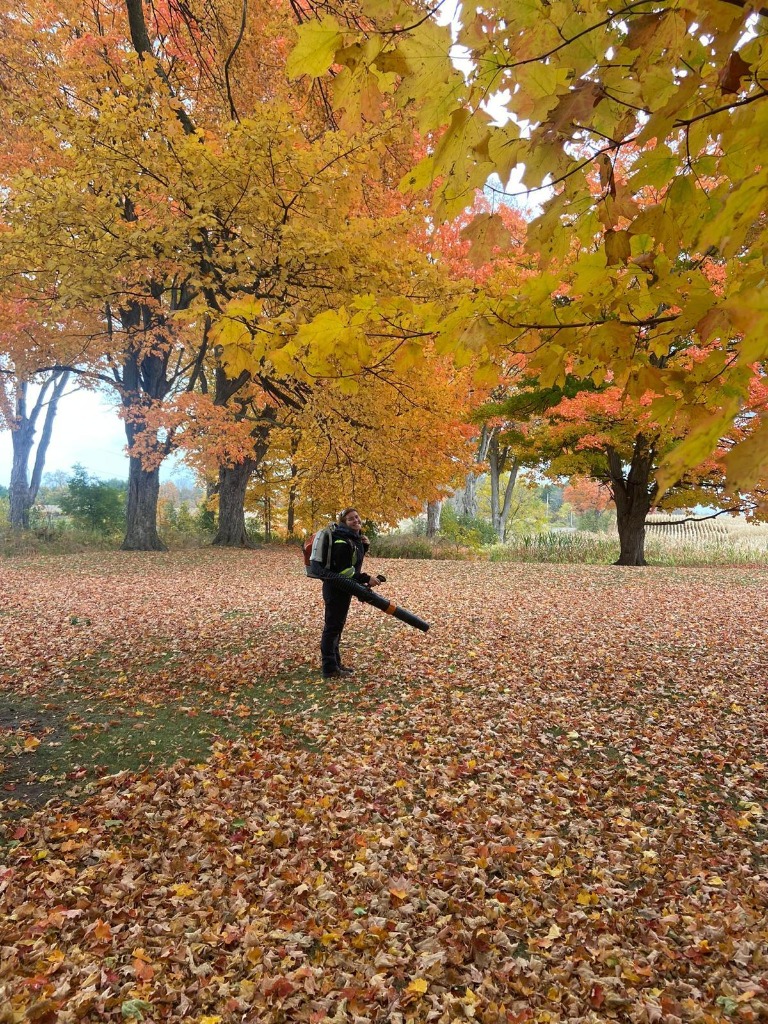
It may be a little early to begin talking about the winter months, but being prepared with a plan for your property can make the transition from summer to fall (and eventually winter) much easier.
In Southwestern Ontario, winter can be tough on landscapes. Freezing temperatures, snow, ice, and repeated freeze-thaw cycles can all take a toll on lawns, trees, shrubs, and hardscaping. While you cannot control the weather, taking care of a few important maintenance tasks before winter arrives can help protect your landscape and give it a healthier start for next spring.
The best approach is to create a fall plan early enough so that you are not trying to tackle everything after the first frost. Here are a few areas that Mountview Services recommends you consider as you begin winding down the summer season.
Create a Fall Plan for Your Property
Every property is different, so there is no single fall checklist that will work for everyone. Take a walk around your yard and look for areas that may need attention before winter.
Are there any dead or damaged branches that should be removed? Are there any shrubs in particular that are exposed to wind, road salt, or heavy snow? Does the lawn need to be fertilized? Are your landscape lights all working as they should?
By making a plan now, you have time to complete the needed tasks at the appropriate point in the season rather than rushing through them all at once and potentially missing some. It can also help you identify jobs that may be better handled by a professional.
Protect Vulnerable Bushes and Shrubs
Not every bush and shrub needs to be covered for winter, and wrapping plants that don’t need to be wrapped can sometimes create problems by reducing airflow and trapping excess moisture. However, some newly planted, broadleaf evergreen or particularly exposed shrubs may benefit from protection against harsh winter winds, heavy snow, and road salt. The type of protection that you need depends on the plant and where it is located.
Burlap barriers can be useful when it comes to shielding susceptible plants from the wind and salt spray. When wrapping or protecting a shrub, you should avoid sealing it tightly in plastic, as poor airflow and trapped moisture can damage the plant. It is also important to make sure that the plants are adequately watered before the ground freezes, especially if it’s been a dry fall. If you are unsure whether or not a specific shrub should be covered, you should research its winter hardiness and needs before prematurely protecting it.
Give Your Lawn the Right Fall Fertilization
Fall is an important time for lawn care, but more fertilizer is not always better. If you apply the wrong product, use too much product, or fertilize at the wrong time, it can lead to unnecessary issues.
Cool-season turfgrass that is commonly grown in Ontario can benefit from appropriate fertilization during the fall growing period. The best choice of fertilizer and application timing depends on factors such as your soil, grass type, and the nutrient needs that your lawn has.
A soil test can be helpful if you are unsure what your lawn needs. This can prevent guesswork and help make sure that you are adding nutrients only where they are needed. It is also important to follow the product label carefully and avoid applying fertilizer to frozen ground or immediately before heavy rain, as the nutrients are then more likely to move away from the intended area.
Take Care of Necessary Pruning
Fall can be a great time to assess trees and shrubs, but pruning should always be done with the specific plant in mind. Branches that are dead, damaged, or diseased are usually ok to be removed right away, as they can improve safety in the area and lessen the chance of more damage; however, routine pruning schedules can greatly vary between different species.
Some shrubs need to be pruned right away after they flower, while pruning others early can remove the next year’s flower buds. Heavy pruning can also stimulate new growth at a time when the plants should be preparing for winter.
Before you cut back a tree or shrub, it is important to know how that particular plant responds to pruning. When in doubt, a landscaping professional can help determine what should be removed and what should be left until a more appropriate time of year.
Plan Your Final Lawn Cut Carefully
Mowing should continue until the grass stops actively growing, but one common mistake is that some people cut the lawn extremely short before winter to eliminate the need to mow again. A very short lawn is not necessarily healthier. Scalping turf can weaken the grass and leave the soil more exposed. On the other hand, leaving grass excessively long can allow it to mat down beneath snow and may contribute to conditions that favor snow mold.
For the final cuts of the season, maintain an appropriate mowing height for your particular grass and avoid removing more than one-third of the grass blade at a time. For many cool-season lawns, a moderate cutting height is generally preferable to an extreme last-minute cut.
It’s also just as important to remove heavy accumulations of leaves when possible. This is because thick, matted layers of leaves can block sunlight and trap moisture against the lawn.
Check Your Landscape Lighting
The shorter days of fall make your outdoor lighting more noticeable and useful. Before winter arrives, you should take some time to check on your lighting system. Walk around your property after dark and look for fixtures that are not operating properly. Clear leaves and debris away from fixtures where necessary, and make sure your lights are not being obstructed by overgrown plants.
If your system includes a timer or other controls, check that the schedule still makes sense as daylight hours change. You may also want to inspect the fixtures for any obvious damage and ensure that all connections are secure.
For professionally installed low-voltage systems, fall is a great time to arrange maintenance if the system needs troubleshooting, adjustments, or repairs before winter weather sets in.
Don’t Forget About Your Tools
Once you complete the major outdoor work, we recommend spending some time maintaining the tools that helped you get through the season.
You should clean your lawn mower to remove grass clippings and debris, as well as follow the manufacturer’s recommendations for fuel storage, oil changes, and other maintenance. If a blade on your mower needs sharpening or servicing, the off-season can be a great time to take care of it.
You should also look over and clean shovels, spades, rakes, and other tools before they are stored for the season. Remove built-up soil and debris, inspect handles and fasteners, address any damage, and make sure they are dry.
Metal surfaces can benefit from appropriate lubrication or protective treatment to help reduce rust during storage. Natural options, such as certain plant-based oils, may be used on some tools, but the right product to use depends on the material and its intended use. Whatever you choose, you need to make sure that it’s appropriate for the tool and follow the manufacturer’s care recommendations.
A Little Preparation Can Go a Long Way
It may feel early to think about snow and freezing temperatures while you are still enjoying the final weeks of summer; however, a little planning now can help you stay ahead of the seasonal rush. From proper lawn care and pruning to protecting vulnerable plants, checking your landscape lighting and maintaining your equipment, fall preparation is about setting your property up to handle whatever a Southwestern Ontario winter brings.
At Mountview Services, we understand that a beautiful landscape requires attention throughout the year and not just during the warmer months. By creating a plan before winter arrives, you can take care of important seasonal tasks at the right time and help your property head into spring in the best possible condition.