
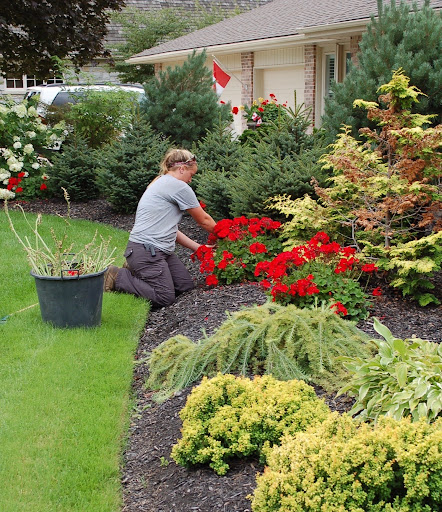
While summer in Southwestern Ontario can be beautiful, it can also be tough on lawns, gardens, trees, and shrubs. One week may bring heavy rain and cooler temperatures, while the next brings intense heat and dry soil with no rain in sight. These changing conditions can make it hard for homeowners to keep their landscape looking healthy throughout the summer season.
When you follow the right watering habits, select plants that will work in the area where you plant them, and complete seasonal maintenance, your outdoor space can stay healthy and vibrant even during the hottest parts of summer. Regardless of whether you have a newly planted garden or a mature one that has been growing for many years, a little thought and preventative care can make a big difference.
At Mountview Services, we know how unpredictable Ontario summers can be. That’s why we have taken the time to outline some practical tips to help protect your landscape during hot weather while keeping your lawn and gardens doing their best all season long.
When Should You Water Your Lawn?
A common mistake that some homeowners make during the summer is watering too often, but not deeply enough. When you water your lawn frequently but not for a long time (shallow), it encourages weak root systems. This can make grass more vulnerable during heat waves. Lawns do their best when they are watered longer/deeper, instead of for smaller bursts more frequently, and in most parts of Southwestern Ontario, they generally need about 1 to 1.5 inches of water each week during the hot summer months.
The ideal time to water is in the early morning, before 9 a.m., as watering at this time helps to reduce evaporation and also allows the moisture to soak into the soil before the afternoon heat arrives. When you water in the evening, the grass can end up staying damp overnight, which can increase the risk of fungal issues.
In periods of extreme heat, it can be normal for some lawns to go dormant and turn slightly brown. Luckily, dormancy doesn’t necessarily mean that your lawn is dead, and healthy grass will often recover once temperatures cool off and adequate rain falls.
How Often Should Gardens Be Watered?
Garden beds do not have the same watering needs as lawns do. Gardens that are new will need more attention initially as their roots develop, and watering may be needed many times per week during hot weather. Gardens that are already established have roots that can access moisture deep within the soil, making them more resilient and less watering is needed during hot spells.
To keep gardens healthy throughout the hot summer heat, it’s best to water them for longer periods of time instead of giving them quick, shallow sprays. This helps the water penetrate deep within the soil and helps the plant’s roots grow deeper, which can allow them to handle dry conditions more easily over time. Adding mulch to gardens is also a great idea, as mulch holds moisture in the soil, keeps temperatures more consistent, and helps limit weed growth. Natural options like shredded bark or wood chips work especially well for garden beds in Ontario’s climate.
How Often Should Lawns Be Fertilized?
Fertilizing is an important part of keeping your lawn looking healthy, and it’s important to understand that more fertilizer is not always better, especially in the summer’s extreme heat. In fact, fertilizing two to four times per year (usually in the spring and the fall) should be enough for most lawns in Ontario. Fertilizing in the spring helps encourage healthy growth after the winter, while fertilizing in the fall helps to strengthen the roots before the colder weather arrives.
It’s usually best to avoid fertilizing your lawn altogether during extreme heat since the added stress can damage or even burn the grass. If summer fertilizing can’t be avoided, use a slow-release product and water the lawn well afterward to reduce these risks.
Lawns also tend to handle the heat of summer better when they’re mowed properly. Cutting your grass too short can expose the soil to excessive heat and increase moisture loss. Keeping it a little taller during hot weather helps shade the roots and hold moisture longer.
Fertilizing Frequency for Gardens
Gardens also require nutrients, but when you need to fertilize depends on the type of plants that you have. For example, perennials, shrubs, and trees usually do not require constant feeding once they are established, and adding compost or organic matter in the spring is enough to keep them healthy through the season. Container gardens and annuals typically use nutrients more quickly while they produce blooms, and fertilizing them every few weeks during the growing season can keep these plants flowering and colorful.
Fertilizer can cause additional stress to plants if the soil moisture levels are low, so it’s important not to over-fertilize during dry periods. But, if you have to fertilize during these times, lots of watering before and after can help to reduce the risks.
What Plants Thrive in Southwestern Ontario’s Climate?
Southwestern Ontario experiences a wide range of weather conditions throughout the year, from humid summers to freezing winters, and choosing plants that can handle both temperature extremes is one of the best ways to create a lower-maintenance landscape.
There are many Ontario native and hardy perennial plants that are known for their durability and ability to handle varying weather conditions throughout the year, such as:
- Coneflowers
- Black-eyed Susans
- Daylilies
- Hostas
- Sedum
- Hydrangeas
- Ornamental grasses
Trees like maple, oak, and serviceberry also tend to do well in Southwestern Ontario.
What Plants Can Handle Hot, Dry Spells?
Drought-tolerant plants are also a popular choice in Ontario due to the long, hot summers, and some plants that are known for handling hot and dry conditions well include:
- Lavender
- Russian sage
- Yarrow
- Sedum
- Catmint
- Juniper
- Switchgrass
These plants typically need less watering once they are established, and they can continue to look healthy even in extended dry weather. Including drought-tolerant species in your landscape can reduce maintenance needs, which also helps to conserve water during the hottest parts of summer.
Maintenance for New Gardens vs. Established Gardens
One important thing that homeowners sometimes overlook is that new landscapes behave very differently from mature ones.
New gardens and lawns need a lot more maintenance during the first year or two as new plants are still developing their root systems and are more sensitive to heat stress, inconsistent watering, and changes in temperature, while established landscapes tend to be less needy. This is because established plants have deeper roots, which help them to access deep moisture during dry spells. When all is said and done, proper watering, mulching, and monitoring during the first few seasons result in healthier gardens over time.
Preparing Your Landscape in Spring and Fall
The health of your landscape in the summer often starts long before the hot days begin. Seasonal maintenance in the spring and fall both play a major role in how well your property will handle the stressful summer conditions.
In the spring, tasks such as edging, mulching, pruning, fertilizing, and cleaning garden beds help prepare plants for the growing season ahead. Aerating lawns in the spring or early fall can also improve soil health and increase water absorption.
Fall is equally important for long-term landscape health. Removing leaves, cutting back perennials, fertilizing lawns, and protecting sensitive plants before winter help reduce stress heading into the next season. Fall is also a great time for planting many trees and shrubs in Ontario because the cooler temperatures allow the roots to establish themselves before summer heat returns.
Mountview Services Can Help
Hot summers can be challenging for any landscape, especially with the changing weather patterns we often experience across Southwestern Ontario. But with proper watering, thoughtful plant selection, seasonal fertilizing, and regular maintenance, your lawn and gardens can remain healthy and attractive throughout the summer season.
Every landscape is different, and understanding the specific needs of your property is necessary for long-term success. Whether you are caring for a newly installed garden or maintaining a mature outdoor space, investing in preventative care now can help your landscape stay healthier, stronger, and more resilient for years to come.
At Mountview Services, we help homeowners throughout Southwestern Ontario keep their landscape looking its best through every season. Our team understands the unique challenges that Ontario weather can bring, and we would love to help you protect and enjoy your outdoor space year after year.